Foundation & Structural
Repair for San Francisco
Homes
A home's foundation and structural framing are the backbone of the entire building. Over time, natural settling, moisture, earthquakes, aging materials, and soil movement can affect structural stability. Identifying problems early can help prevent more extensive repairs and protect your home's long-term value.
At ADCON, we specialize in structural repairs, foundation improvements, seismic upgrades, and residential construction throughout San Francisco and the Bay Area. Whether you're planning a remodel or addressing structural concerns, our team works to provide safe, code-compliant, and long-lasting solutions.
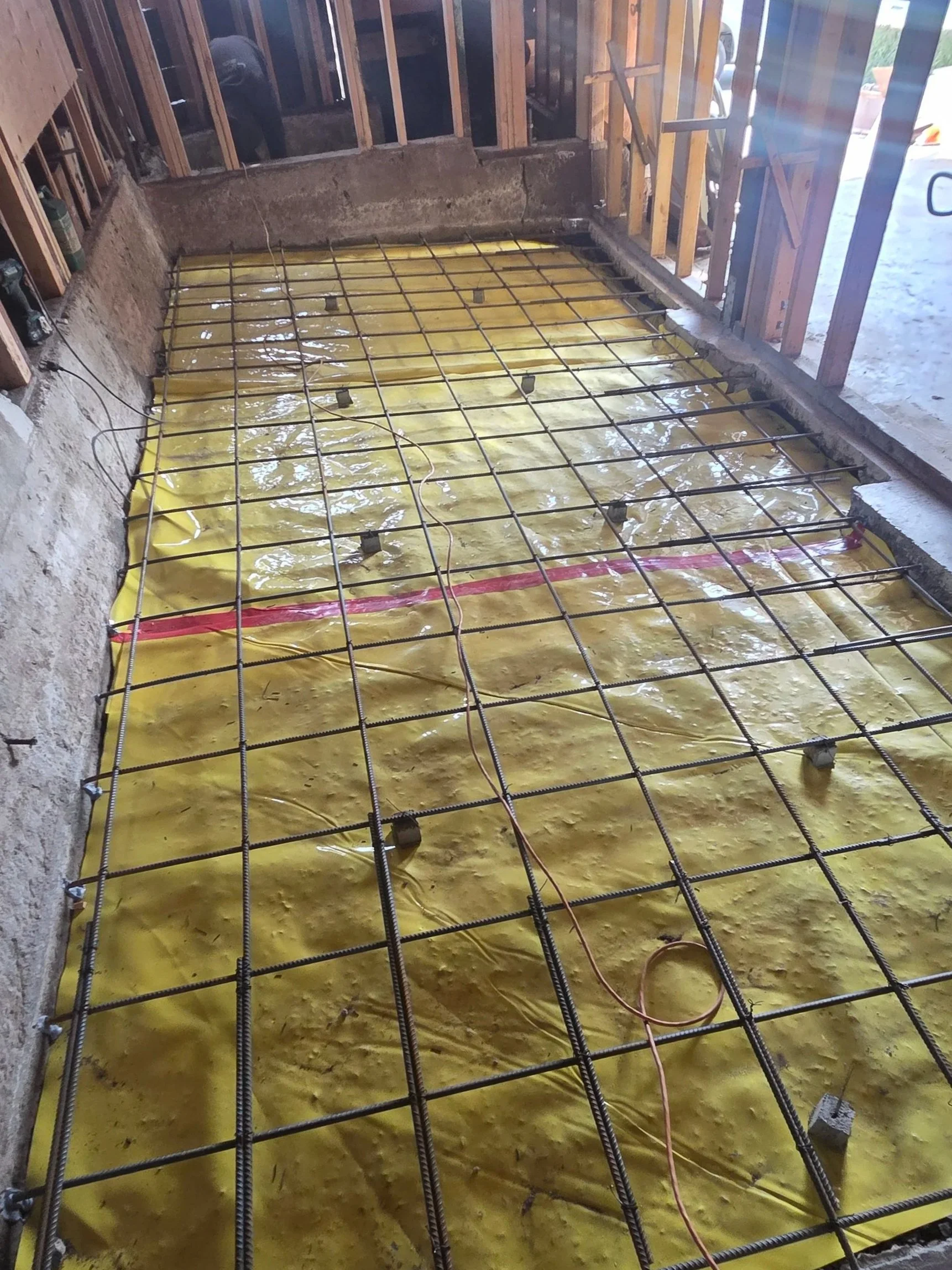
Concrete Slab Foundation
A concrete slab rests directly on prepared soil and is common in many newer homes.
Benefits
Lower maintenance
Good moisture resistance
Durable construction
Raised Foundation (Crawl Space)
Many older San Francisco homes use raised foundations with crawl spaces.
Advantages
Easier plumbing access
Easier electrical access
Better access for repairs
Improved ventilation
Basement Foundation
Some homes include a full or partial basement below the main floor.
These foundations provide additional usable space but may require waterproofing and drainage improvements over time.
A foundation supports the weight of your home and transfers that load safely into the ground. It also helps keep the structure level and stable while resisting movement caused by weather, soil conditions, and seismic activity.
A well-built foundation is designed to:
Support the entire structure
Reduce settlement
Resist moisture intrusion
Improve earthquake performance
Protect structural framing
Maintain long-term stability
What Does a Foundation Do?
Common Types of Foundations
Signs Your Home May Need Structural Repair
Many structural problems begin gradually.
Watch for signs such as:
Cracks in interior drywall
Stair-step cracks in masonry
Doors that stick or won't close properly
Windows that no longer open smoothly
Sloping or uneven floors
Bouncy or sagging floors
Gaps between walls and ceilings
Cracks in the foundation
Water entering the crawl space or basement
These symptoms do not always indicate major structural damage, but they should be evaluated to determine the underlying cause.
Why Foundations Move
Several factors can contribute to foundation movement.
Soil Settlement
As soil naturally compresses over time, portions of a home may settle at different rates.
Moisture Changes
Expanding and contracting soils caused by seasonal moisture changes can place stress on a foundation.
Poor Drainage
Water collecting around the home may weaken soil or contribute to foundation deterioration.
Tree Roots
Large tree roots can influence soil moisture levels and, in some cases, affect nearby foundations.
Earthquakes
San Francisco's seismic activity can place significant stress on foundations and structural framing, making regular inspections and upgrades important for many homes.
Depending on the condition of the home, structural work may include:
Foundation Repairs
Crack repairs
Foundation reinforcement
Partial foundation replacement
Drainage improvements
Concrete repairs
Floor Framing Repairs
Structural framing may require:
Joist replacement
Beam reinforcement
Subfloor replacement
Blocking installation
Floor leveling
Wall Reinforcement
Some projects require strengthening load-bearing walls or repairing framing affected by moisture or structural movement.
Seismic Upgrades
Many older Bay Area homes benefit from seismic improvements that help strengthen connections between the house and its foundation.
Typical upgrades may include:
Foundation anchoring
Shear wall improvements
Bracing
Structural hardware
Cripple wall reinforcement
Structural Repairs We Perform
Understanding Load-Bearing Walls
Not every wall in a home supports structural loads.
Load-bearing walls transfer the weight of the roof and upper floors to the foundation. Removing or modifying these walls often requires engineering and proper permits.
If you're planning an open-concept remodel, your contractor should evaluate whether structural modifications are needed before construction begins.
A professional inspection may include:
Visual assessment of cracks and settlement
Floor level measurements
Crawl space evaluation
Moisture inspection
Framing inspection
Foundation condition review
Drainage assessment
An inspection helps identify issues early and provides information needed to plan appropriate repairs.
Water Damage and Structural Integrity
very project is unique, but many structural repair projects follow these general steps:
Step 1
Initial consultation and site visit.
Step 2
Structural evaluation and documentation.
Step 3
Engineering coordination when required.
Step 4
Permit preparation and approval.
Step 5
Construction and structural repairs.
Step 6
Final inspection and project completion.
Foundation Repair Process
Homeowners can help protect their foundation by:
Keeping gutters clean
Directing downspouts away from the foundation
Maintaining proper grading around the home
Repairing plumbing leaks promptly
Monitoring cracks for changes over time
Scheduling inspections if new structural symptoms appear
Regular maintenance can reduce the likelihood of more significant repairs in the future
Foundation Repair Process
Are foundation cracks normal?
Small hairline cracks can occur as concrete cures or buildings settle over time. Larger, widening, or uneven cracks should be evaluated by a qualified professional.
Can foundation problems affect home value?
Foundation and structural issues may influence a property's marketability and value. Addressing problems early and documenting repairs can provide confidence to future buyers.
Do older San Francisco homes need seismic upgrades?
Many older homes were built before modern seismic standards. Depending on the home's age and construction, improvements may be recommended to enhance earthquake resilience.
Can structural repairs be completed during a remodel?
Yes. Structural improvements are often completed before or during major remodeling projects to ensure the home is safe and ready for new construction.
Frequently Asked Questions
Structural repairs require experience, careful planning, and attention to detail. At ADCON, we work with homeowners, architects, engineers, and building officials to deliver safe, code-compliant solutions that support the long-term integrity of every project.
Our services include:
Foundation repair
Structural framing
Home additions
Seismic retrofits
Residential remodeling
Commercial construction
Design coordination
Construction management
From initial evaluation through final inspection, we focus on quality craftsmanship, transparent communication, and dependable project management.
Why Choose ADCON?
Schedule a Foundation & Structural Consultation
contact ADCON for a professional evaluation. Our team can help identify the cause, explain your options, and develop a repair plan tailored to your home.
Water is one of the most common causes of structural deterioration.
Moisture can lead to:
Wood rot
Mold growth
Corrosion of fasteners
Damaged framing
Foundation deterioration
Maintaining proper drainage and waterproofing can help extend the life of your home's structure.
Foundation Inspections